Click Accept pentru a primi notificări cu cele mai importante știri!
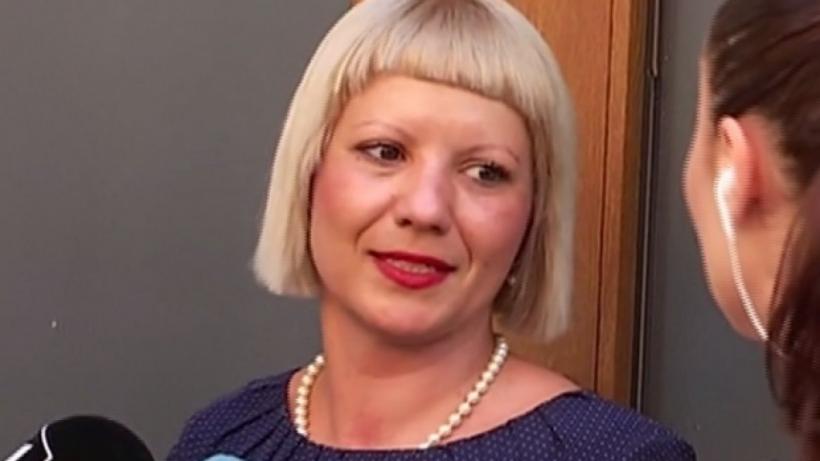
And what happened during Traian Băsescu's terms in office demonstrates the consequences. Following George Maior's appointment as director of the SRI, his deputy Florian Coldea became, basically, the "de facto head" of the service, completely subordinating himself to presidential interests and impulses. From that toxic combination of the discretionary power of Cotroceni and the obedience of the services, a regime was born that functioned as a parallel mechanism for controlling the judiciary.
Băsescu himself admitted that, in 2014, he knew exactly what the sentences in the ICA case would be three days before Judge Bogdan sentenced 10 people to a total of 67 years in prison in this case.
„Traian Băsescu: - Coldea, Mrs. Kovesi, Judge Camelia Bogdan. But wait till you hear the conversation when they told me they’d take Mustață out of the panel. Right? “Come on, let’s blow it up!” You want to destroy my family?
Reporter: - What kind of state is this, Mr. President?
Traian Băsescu: – I’ve told you many times before: a mafia state. I know what I’m saying.
Reporter: - Problems with the Voiculescu case?
Traian Băsescu: - You should have seen them talking the day after the conviction, when what he had told them three days earlier came true.How he was telling me, tomorrow we'll take Mustaţă, and Camelia Bogdan comes in. You should have seen them the next day when they said we talked to Camelia Bogdan and she said that if we had the Penal Code, she would give him 20 years, but she could only give him ten. Then Coldea draws his conclusions, you know. You should see how spectacular Coldea is when he draws conclusions.
Reporter: - You are angry with them.
Traian Băsescu: - Camelia Bogdan is the judge in her son-in-law's case. A judge who has been handling the case for a year has been replaced, and Camelia Bogdan took over at the last hearing. Well, Bogdan, I know who you are! „
This confession, regardless of the political motivations that pushed it into the public sphere, remains proof of how crucial decisions, which should have remained strictly legal, were manipulated through networks of influence coordinated by the secret services. Without the "cover" of puppet directors, such figures would not have come to wield so much power.
Today, there are again discussions about possible appointments, with various names being circulated by sources. Perhaps it is time to learn something from the lessons of the past: Romania does not need figureheads, but authentic leaders who are capable of resisting political temptations and keeping the services within their legal boundaries. Otherwise, we will return to figures such as former judge Camelia Bogdan and a state that, in the words of the man who led it, was "mafia-like."
Citește pe Antena3.ro